How Film Music Guides Your Attention Without Dictating Emotion
Learn how film music guides attention by separating the score, sounds characters hear, and silence, then describe what each makes noticeable in a scene.
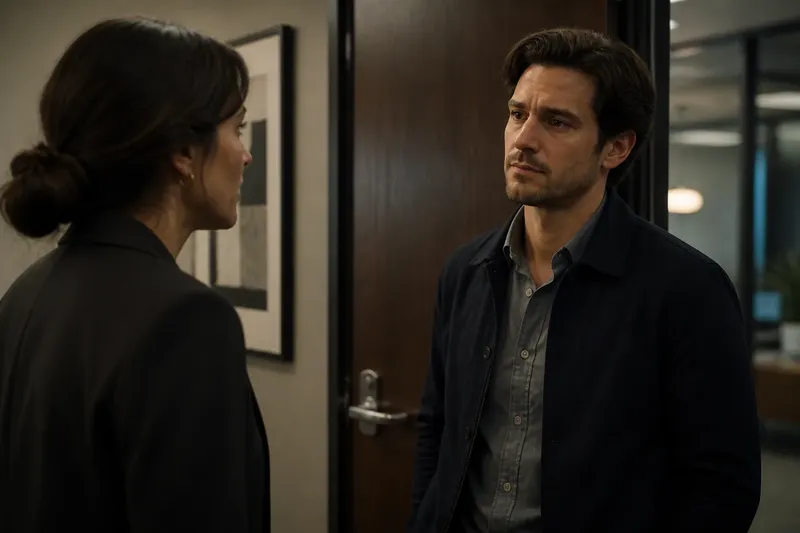
Film music guides your attention without dictating exactly what you feel: a low tone under a hallway conversation can make you notice a pause, while its sudden absence can bring a character’s breath forward. To hear how film music guides attention, separate the score from sounds inside the scene and notice what remains when the music stops.
Choose a scene you can pause or revisit and keep brief notes about its sound. You do not need to name every instrument or assign a fixed emotion to each chord; track what becomes prominent, what recedes, and when the change happens.
Separate the score from sounds inside the scene
The score is music presented for the audience rather than heard by characters in the story. A sustained tone beneath a conversation may color the exchange without becoming part of the room.
Sound with a source inside the story is often called diegetic sound. It can come from a radio, a pianist in a bar, or a phone playing a song. The distinction can blur: a song may start on a character’s radio and continue after the camera leaves the room, shifting from an apparent scene source into a broader soundtrack cue.
Watch a chosen passage once without pausing. Note when the music begins and ends, and describe its apparent source. If you cannot tell where it comes from, keep that uncertainty in your notes instead of forcing a conclusion.
Track what the music brings forward
On another viewing, focus on attention rather than trying to name the scene’s emotion. Does the cue make a hesitation, a detail in the room, or the gap between two lines easier to notice? Does it make a movement feel continuous or give a brief pause extra weight?
Music can frame a moment without simply labeling its mood. A bright melody over a disturbing image might create irony or distance; a restrained cue might draw attention to a small gesture. Timing, texture, image, performance, and a viewer’s expectations all contribute to the effect.
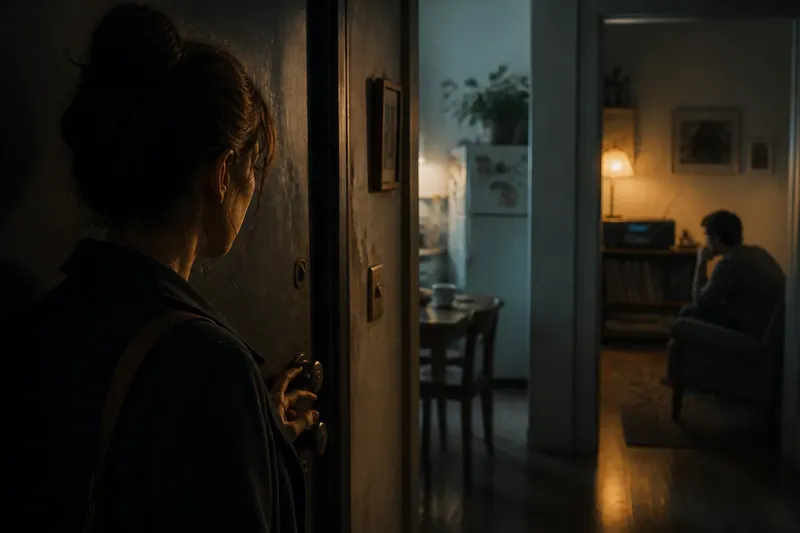
Imagine an invented scene where a character waits beside a closed apartment door. A repeating high note starts as the character reaches for the handle and stops just before the door opens. Your note could say that the cue draws attention to the reaching hand and makes the pause conspicuous; it need not claim that every viewer will feel fear.
Listen to music with a source in the story
Choose a passage with an apparent source, such as a car stereo or a band at a party. Ask who can hear it, whether it sounds close or distant, and how its clarity changes as the scene shifts. These choices can establish a shared environment or keep the audience close to one character’s experience.
Notice when conversation muffles a song or an interruption cuts it off. The change may make a character’s distraction audible or shift attention toward the surrounding room. If the sound grows more expansive after starting from a visible source, note the change in presentation rather than treating it as an error.
If the source remains unclear, replay the passage with the picture hidden, using ordinary playback controls on a laptop or streaming app. If the sound is harder to identify without the image, note that the picture helps establish its source.
Notice what the score’s absence reveals
A passage without music is not necessarily silent. Room tone, breathing, fabric, footsteps, and distant traffic may remain; without a score, those layers can become easier to notice.
Ask what the exposed sounds contribute. A breath before an answer may stand out, while a distant appliance may make a room feel ordinary rather than ominous. The absence of music changes the available cues, but it does not automatically make a moment more truthful or intense.
When a scene seems quiet, listen for a faint background layer before calling it silent. “The score drops out, leaving room tone and breath” describes the sound more clearly than “there is no sound.”
Compare the sound layers in one passage
Select a short passage and make a note under each relevant heading:
- Score: If added music is present, note when it enters or leaves and what it brings forward; if none is present, record that the passage has no apparent score.
- Scene source: If characters could hear the sound, name its apparent source and note whether it is clear or muffled; if the source is uncertain, mark it as uncertain and look for a visible clue.
- Exposed sounds: If music drops out, record which small sounds become noticeable; if no new sound stands out, note that the remaining sound field does not shift your attention.
- Timing: If a sound changes at a particular gesture or line, record the point and consider how it affects the moment; if no clear timing link appears, describe the sequence without claiming a connection.
- Image and performance: If a look, movement, or pause coincides with a sound change, note both and consider how they work together; if they do not coincide, keep them as separate observations.
- Interpretation: If you infer a mood, connect it to an audible feature and its timing; if the evidence remains mixed, describe more than one possible reading.
Say you choose an invented passage in which a character sits at a kitchen table while a radio plays from another room. You note that the song is muffled, becomes briefly clearer when the character opens a door, and is followed by a refrigerator hum when the radio stops. Your resulting description is that the change in clarity draws attention toward the doorway, while the hum makes the quiet afterward feel connected to the room; the tradeoff is that you cannot tell from sound alone whether the character is distracted or simply listening.
Replay the passage without reading your notes. If a source or timing shift now stands out, add it. Listening notes record an interpretation, not a verdict.
How can you describe an ambiguous cue?
Does every cue have one emotional meaning?
No. A cue may suggest, complicate, or resist a mood, and viewers may respond differently. Describe its audible qualities and timing before naming an emotion.
What if you cannot identify the music’s source?
Record the uncertainty and look for clues in the image, such as a visible speaker or musician. If the sound continues after its apparent source leaves view, note the shift without assuming the film has resolved the question.
Can a film guide attention without a score?
Yes. Dialogue, room tone, a single sound effect, and the spacing between sounds can shape what stands out. A passage without score still has a designed sound field.
How do you distinguish observation from interpretation?
Write what you hear first: “A low tone continues beneath the conversation.” Then state your interpretation separately: “The scene makes the exchange feel uneasy.” Connect that reading to the timing and context rather than treating it as a fact about every viewer.
Revise your notes to show how sound works
Read your entries again and replace any sentence that treats music as a command. Use observations about source, timing, texture, and what becomes prominent, then explain how those details support your interpretation.
For a useful account of how film music guides attention, keep the score, scene sounds, and exposed quiet distinct while considering how image and performance shape the same moment. That distinction lets you describe a cue’s influence precisely without claiming it dictates a viewer’s response.