Close-Up or Wide Shot? Choosing What a Scene Should Reveal
Close-up or wide shot choices shape what viewers can read. Match the framing to the scene’s central question so each important detail becomes clear at the right moment.
Close-up or wide shot choices change what a scene lets viewers infer before anyone speaks. A close-up makes a face, object, or gesture readable; a wide shot reveals where bodies stand and what surrounds them. Choose the frame by asking what evidence answers the scene’s central question.
That question is more useful than treating close-ups as emotional and wide shots as neutral. Either scale can create tension, intimacy, distance, or uncertainty. The framing works when its visible information sharpens or changes the question.
Let the scene’s question determine the frame
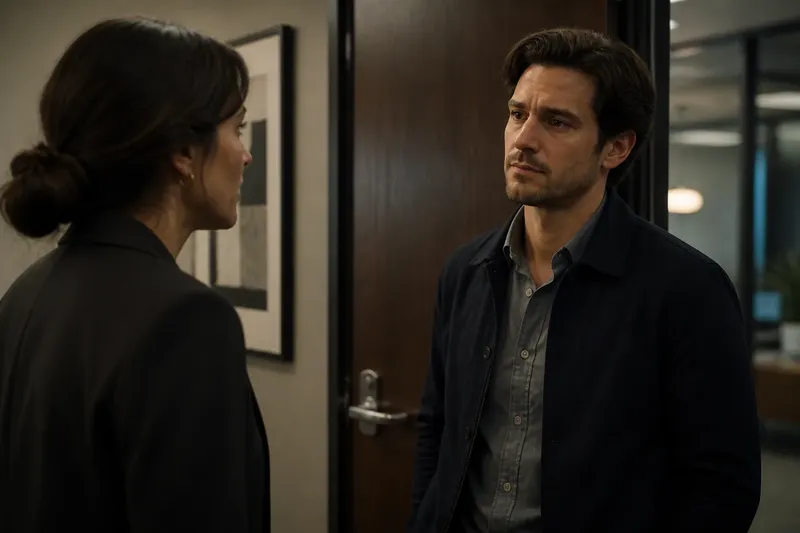
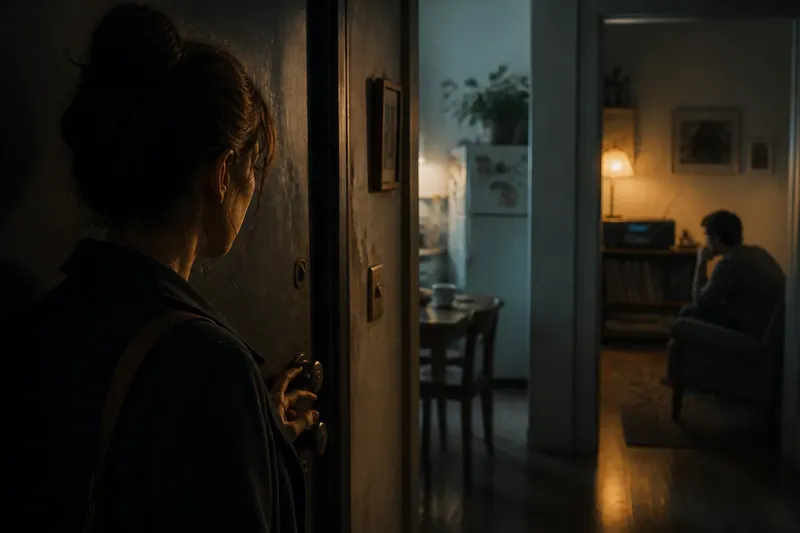
Before planning coverage, write the scene’s question in a plain sentence. “Will Mara admit she broke the cup?” points toward her expression and hands. “Can Mara leave without being seen?” depends on the doorway, the watchers, and the route across the room.
The question can shift as the scene unfolds. A wide shot may establish the arrangement that makes a choice difficult; a close-up can then show the moment a character registers that difficulty. If the question moves from where someone can go to what they intend to do, the framing can move with it.
For each important beat, note what viewers should be able to infer. If the answer depends on a small change in expression or an object’s condition, frame close enough to make that evidence legible. If it depends on distance, exposure, or the relation between several people, preserve the relevant spatial information.
A close-up isolates evidence
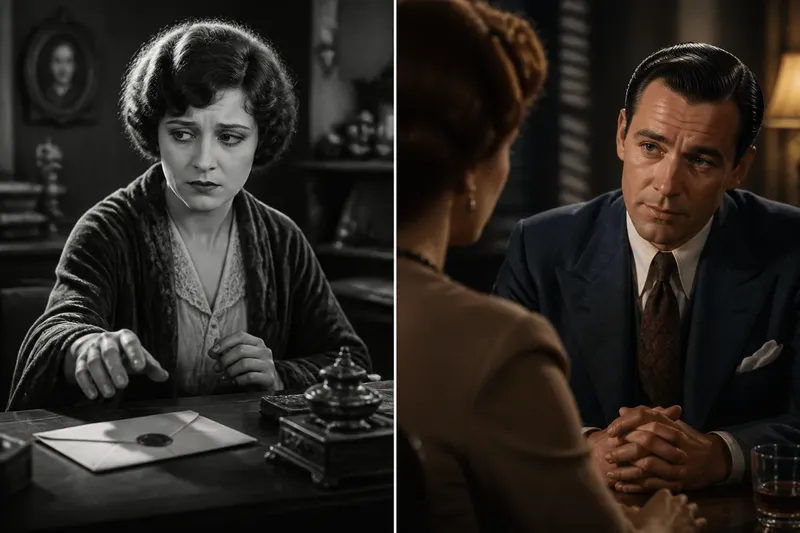
At close range, viewers can notice a glance that stops short, a jaw tightening, or a thumb worrying the edge of an envelope. These details can carry a scene when dialogue is evasive. By selecting one detail, the frame gives it weight.
That selection also removes information. A close-up may leave out who else is present, where the exit is, or whether a character has room to act. If those facts matter to the scene’s question, a face alone can make the moment less legible rather than more intense.
Objects change meaning with scale, too. A key held in a hand can suggest a decision; the same key in a wide view may be one item among several in a cluttered room. Decide whether the object itself is the evidence or whether its position in the setting matters more.
- If a slight expression changes what viewers can infer, frame close enough to show it; if it remains unclear, adjust the framing or the actor’s position.
- If a hand movement or object detail carries the beat, include it in the frame; if the detail competes with an essential action, simplify the composition.
- If the scene depends on a person’s response, prioritize that response; if it depends on the conditions around the person, retain more of the setting.
A wide shot clarifies space and action
A wide shot can show who has the advantage without stating it. A person near the only door may control access; someone across a long table may struggle to interrupt. Placement and distance become evidence when the question concerns access, exposure, or power.
A wide frame can also make separate actions readable together. One character may follow a conversation while another pretends to read a notice on the wall. Viewers can compare what happens across the composition without the camera singling out one action as the only evidence.
But a wide view can make important behavior too small to register. Check whether a glance or hand movement reads at the intended framing, then review the composition at the size viewers are likely to watch. If the detail disappears, move the actor, simplify the background, or choose a closer frame.
Wide does not automatically mean detached. A character hemmed in by furniture or placed at the edge of a crowded room can feel exposed. The useful question is not how much of the set appears, but which parts of the space explain the pressure on the character.
Change framing when the evidence changes
A move from wide to close can narrow attention as a scene becomes more personal. A wide shot might show someone placing a resignation letter on a desk; a closer frame can make the signature the decisive evidence. The shift earns its place when viewers move from reading the situation to examining a specific detail.
The reverse can reveal how a private action affects the setting. A close view of someone pausing over a phone can hold the question of whether they will send a message. Opening to a wider frame might reveal another person waiting in the doorway, changing what the pause means.
Do not change scale just because a line sounds important. The camera can remain wide while a character says something revealing if the scene’s question concerns the others’ responses or where everyone stands afterward. A shift in size should add information, redirect attention, or change how viewers weigh what they already know.
Choose framing without settling the scene too soon
When the scene depends on uncertainty, make the relevant evidence available without making its meaning conclusive. A character’s gesture might be visible while its motive remains unclear. The composition can preserve ambiguity through the action itself, timing, or the way an object is handled—not by withholding essential spatial information.
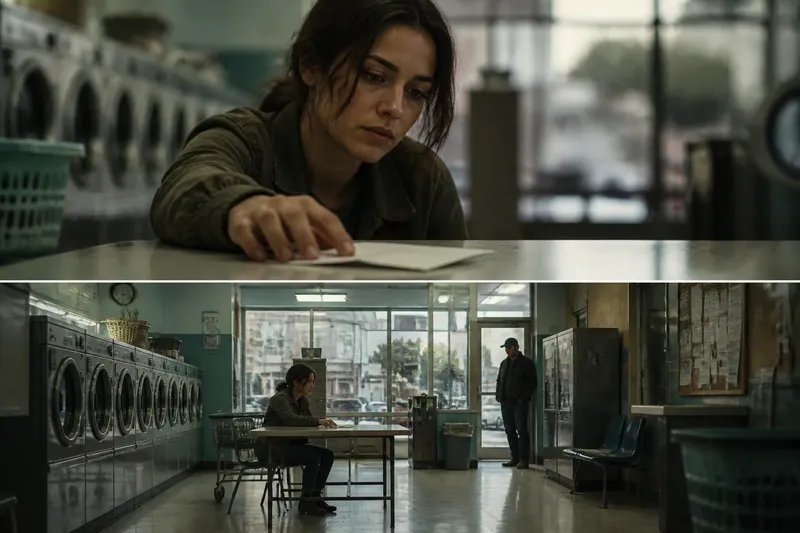
Imagine a fictional scene in which Lena waits in a laundromat with a sealed envelope. She places it on a folding table, then slides it toward the edge without picking it up. If the scene asks whether she intends to send the envelope, a close view of the hand and paper makes the hesitation readable, while the incomplete action leaves her decision unsettled.
Which framing choice fits the scene?
When should a scene stay wide?
Stay wide when viewers need to follow several actions, a route through the setting, or how an action changes the space. A sustained wide view can also make a pause uncomfortable because the composition keeps the whole situation in view.
When does a close-up reveal too much?
A close-up reveals too much when it makes a reaction or object detail seem conclusive before the scene is ready to settle its meaning. Keep the decisive detail less prominent or delay the closer framing; if the viewer still needs basic spatial facts, establish them before withholding interpretation.
Can a scene use both framings?
Yes, when a change in framing follows a change in the scene’s question or in the evidence available to answer it. Establish the space first if it matters, then move closer when a particular detail takes on new importance.
How can a frame preserve ambiguity?
Show enough for viewers to understand what is at stake, but avoid making one detail settle the interpretation. Let the action remain incomplete or its motive uncertain, while keeping the setting and practical choices clear.
Review the evidence in each shot
For each important shot, write down what viewers should notice, what they should not know yet, and what changes in the next shot. Compare the composition with those answers rather than choosing a scale because it is conventionally associated with a particular emotion.
- Face or gesture: If the relevant movement reads clearly in the frame, keep the composition; if it disappears, move closer or reposition the performer.
- Object detail: If the object’s condition or use carries the beat, include it clearly; if its surroundings explain more, widen to show its place in the setting.
- Spatial relation: If distance, barriers, or exits affect the choice, show them; if they do not affect the scene, avoid letting background detail distract from the action.
- Several actions: If viewers need to compare actions at once, compose them together; if one action carries the beat, give it clearer visual priority.
- Uncertainty: If the shot answers the scene’s question too early, delay the revealing detail or keep the decisive action incomplete; if viewers cannot tell what is at stake, restore the necessary context.
- Next beat: If the next frame adds evidence or changes emphasis, make the shift; if it repeats the same information, hold the current composition or choose a more informative angle.
Close-up or wide shot choices are strongest when they match the evidence the scene asks viewers to read. Use a face, hand, or object when a particular detail matters; show the setting when distance, access, or multiple actions shape the answer. Keep the central question clear, and let the frame reveal only what the next beat needs.