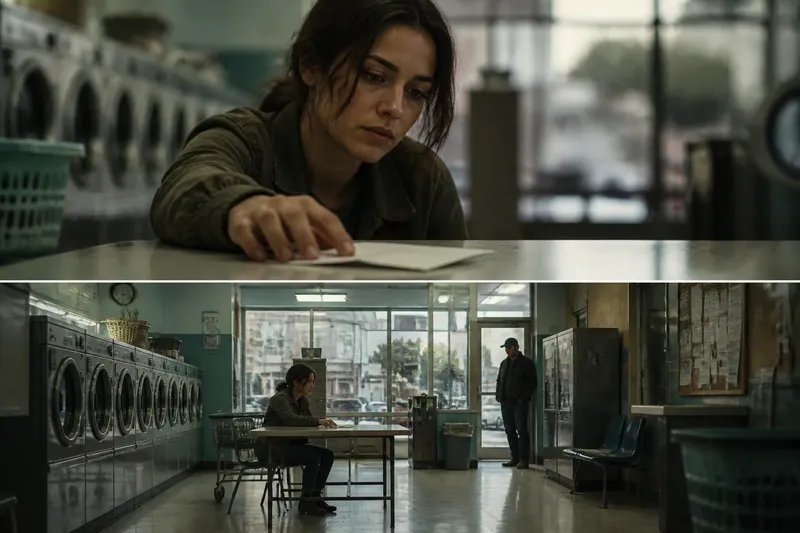
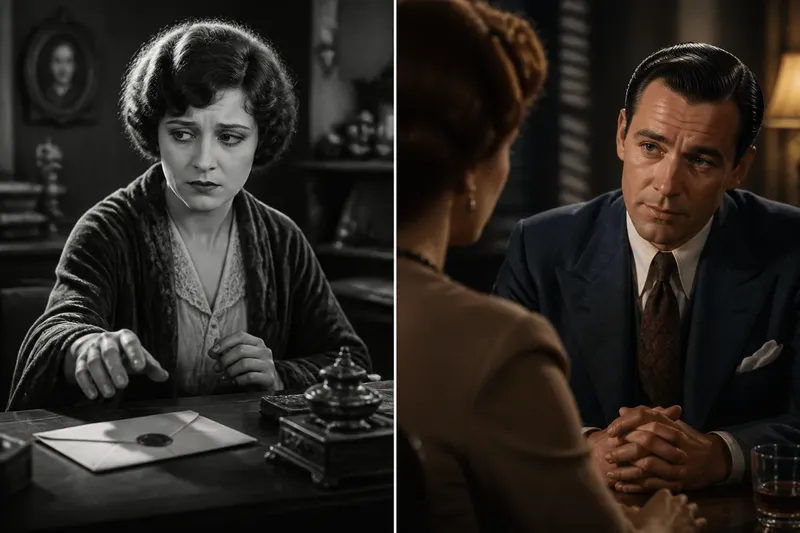
A Character’s Want Is Not the Same as Their Need
Separate a character’s want from their need with a practical story-reading exercise that tests both ideas against choices, setbacks, and change.

A character’s want is the immediate goal they pursue; their need is the change that could make that pursuit less necessary or more honest. To distinguish a character’s want from their need, track what they try to get and what their choices reveal about the person they are becoming.
What is a character’s want?
A want is something a character can name, pursue, and recognize as achieved or lost. It might be winning a job, finding a missing person, gaining a parent’s approval, or getting out of town before morning.
Look for the goal that gives the character’s actions direction. It often appears in dialogue, but behavior can make it clearer: someone who keeps returning to a locked office may want access to a file, even if they claim they are only checking on a colleague.
A want does not have to be shallow or selfish. A character may want to protect a friend for compassionate reasons. The useful question is not whether the goal is admirable, but whether it is the concrete outcome the character is pursuing in the story.
What is a character’s need?
A need is the deeper change that the story pressures a character toward. It may involve accepting help, taking responsibility, tolerating uncertainty, or seeing another person as independent rather than as a tool for comfort.
Unlike a want, a need is not always something the character can name at the start. It becomes legible through the trouble their familiar habits cause and through the alternatives they resist. Treat it as an interpretation to test, not a hidden answer that every story must reveal.
A character can also fail to meet the need. The plot may bring them to a moment of choice, but they can cling to their old approach. That refusal can still complete an arc by making the cost of staying unchanged clear.
How can you tell a want from a need?
Write each idea as a different kind of sentence. For the want, use “The character is trying to…” and name an observable goal. For the need, use “The character may need to…” and describe a change in attitude or behavior rather than another prize.
Then check both statements against scenes. The want should explain what the character does to move forward. The proposed need should explain why the same strategy creates friction, damages a relationship, or fails to solve the deeper problem.
- Name the immediate goal. Choose an outcome the character could point to at the end of a scene.
- List their tactics. Note what they ask for, hide, risk, or refuse while pursuing it.
- Find the recurring cost. Look for consequences that follow from the way they pursue the goal.
- Propose a change. Describe what the character might have to do differently, without turning it into a second external mission.
- Test the final choice. Ask whether the ending shows the character embracing that change, resisting it, or remaining uncertain.
Imagine a courier wants to retrieve a stolen satchel before a city office closes. They keep demanding that a wary neighbor hand it over, which makes the neighbor hide it longer; after learning the satchel contains evidence that could implicate the courier’s sibling, the courier may need to stop treating loyalty as a reason to control what others know. That reading fits if the courier eventually gives the neighbor room to decide what to disclose; if they simply seize the satchel, the story may instead be showing refusal or a different need.
What choices reveal the deeper need?
Choices reveal a need when the character faces a real alternative and selects an action with consequences. A speech about becoming more trusting matters less than a moment when trusting someone could cost the character something they value.
Track repeated decisions rather than treating one gesture as conclusive. A character who says they want independence but repeatedly asks another person to make every difficult choice may be revealing a conflict between their stated want and their practiced dependence.
Also notice who pays for the character’s tactics. If a goal requires them to deceive a friend, the story may be testing whether they can pursue success without treating relationships as disposable. The pattern matters more than any single moral lesson assigned from outside the film.
Can a character’s need change during the story?
Yes. New information can make the original want irrelevant, impossible, or less important than the character first believed. A search for approval might turn into a need to set a boundary once the person whose approval matters is shown to be unreliable.
Separate a genuine shift from a change in plot mechanics. If the character switches from one target to another but uses the same controlling strategy, the external want has changed while the deeper problem may remain. If their choices alter, the story may be revising the need as well.
For a close reading, mark the scene where your interpretation changes and identify the choice that prompted it. This keeps the analysis tied to what the film presents instead of forcing an early diagnosis onto every later action.
What if the story never states the need?
That is common, and it does not make the story incomplete. A film can leave the need implicit, offer several plausible readings, or focus on the consequences of a character’s actions without resolving their inner change.
Use cautious language: “The story suggests…” or “One possible need is…”. Then point to the choices that support the interpretation and note a scene that complicates it. If the evidence stays thin, keep the need as a question rather than turning it into a firm claim.
How should you read an ending that denies the want?
Ask whether losing the external goal changes the character’s way of acting. A character who fails to get the promotion but stops sacrificing a friend to win may have moved toward a need; a character who loses and doubles down on the same tactics may be ending in refusal.
Success and growth are not interchangeable. A character can get what they want while remaining unchanged, or fail to get it after making a meaningful choice. For a story-reading exercise, keep the want and need separate through the final scene, then let the ending’s actions—not a tidy lesson imposed afterward—decide how well each interpretation holds.
When you discuss a film with someone else, compare the scene each of you treats as the decisive choice. That small disagreement often exposes whether you are reading the character’s goal, their possible change, or the tension between the two.